
Beyond the Wood Wide Web: What Trees Teach Us About Connection
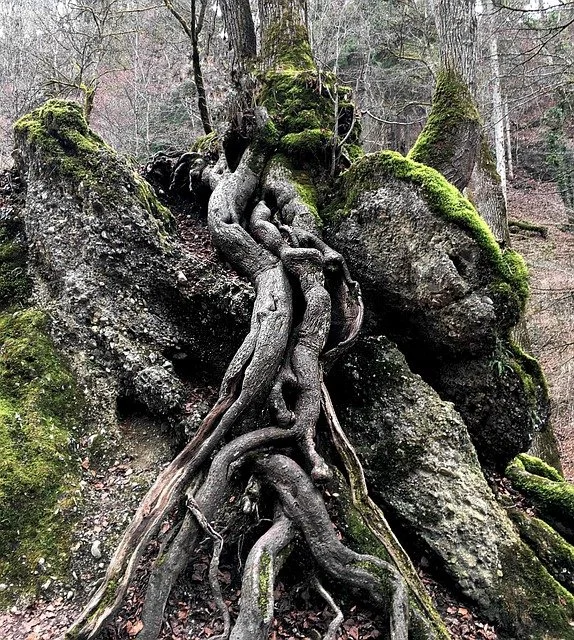
Image by Andreas Schau from Pixabay
Earlier this year, I wrote about the Wood Wide Web - that fascinating underground fungal network where trees share resources and communicate through their roots. It's an incredible system that changed how I think about forests and the wood I work with every day. But here's the thing: that underground internet is just one chapter in the remarkable story of how trees connect with each other and their environment.
Trees communicate in ways that would make our own social networks look primitive. They send chemical text messages through the air, recognize their own offspring, change their behavior with the seasons, and even maintain connections after death. As someone who spends every day working with wood, learning about these deeper connections has transformed how I see every piece of timber. Today, I want to share what trees teach us about connection - and why it matters, whether you're a nature enthusiast, a woodworker, or someone who simply appreciates the living world around us.
Chemical Conversations: Trees Talking Through the Air
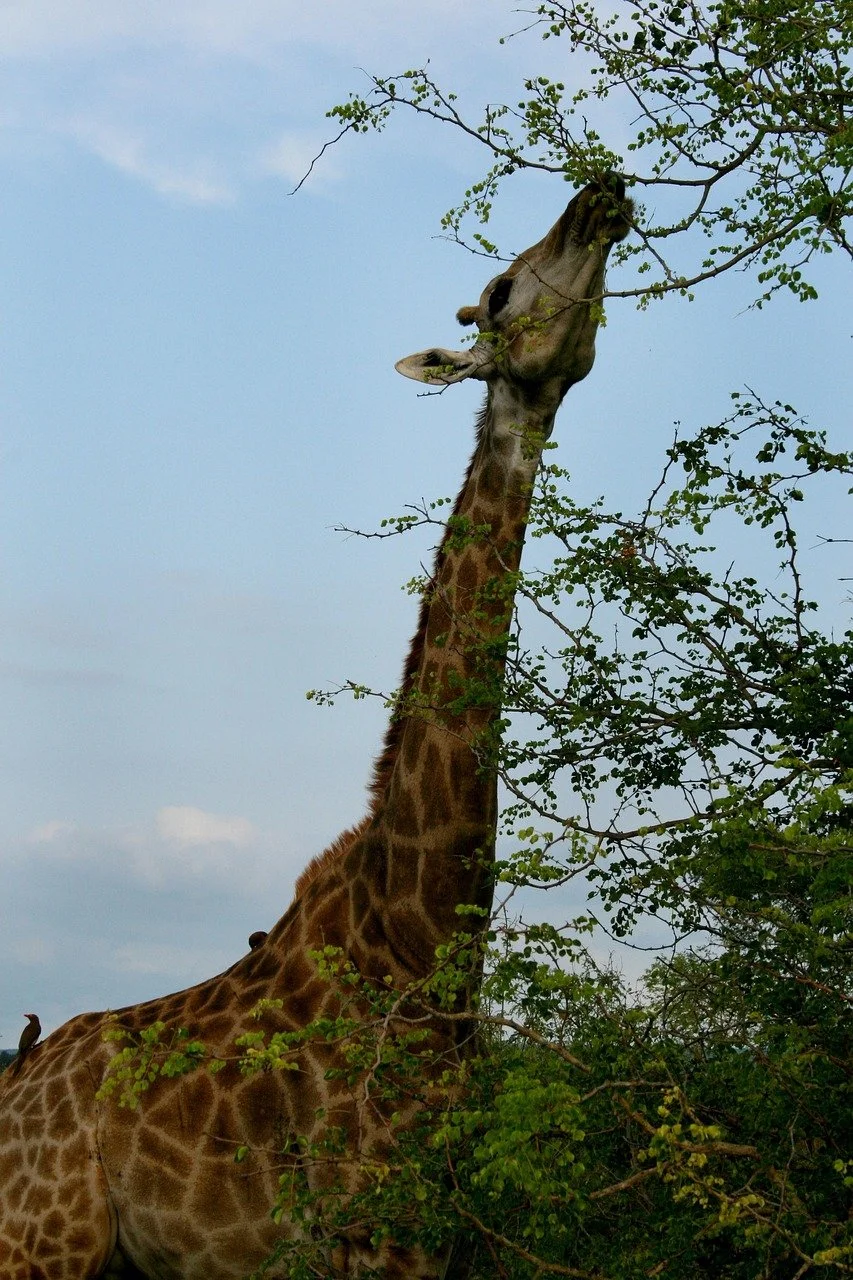
Image by Alicia Campbell from Pixabay
While the Wood Wide Web handles underground communication, trees are also having constant conversations above ground through airborne chemical signals. Think of it as the difference between sending emails (underground networks) and broadcasting announcements (airborne chemicals).
When a tree is under attack from insects, it releases volatile organic compounds (VOCs) into the air - essentially shouting "I'm being eaten!" Neighboring trees can detect these chemical warnings through their leaves and respond by ramping up their own defensive compounds, making themselves less appetizing to the approaching pests. It's a neighborhood watch system that operates at the molecular level.
The famous example comes from African acacia trees and giraffes. When a giraffe starts browsing on an acacia, the tree releases ethylene gas as a warning. Nearby acacias detect this signal and start pumping bitter tannins into their leaves within minutes, making them unpalatable. Giraffes have learned to walk upwind when feeding, moving to trees that haven't received the warning yet. It's an evolutionary arms race played out in slow motion.
What fascinates me as a woodworker is that these chemical defense systems leave traces in the wood itself. Trees that have weathered more pest attacks often develop denser wood with unique color variations - the very characteristics that make certain pieces so visually striking. That spalted maple bowl with its dark zone lines? That's evidence of the tree's chemical defenses at work.
The Language of Touch: Root Grafting and Physical Connections
Beyond fungal networks, trees sometimes take connection literally - they actually fuse their roots together in a process called root grafting. When roots of the same species (or sometimes even different species) come into contact underground, they can grow together, creating direct pipelines for sharing water and nutrients.
This physical connection can be so strong that stumps of cut trees have been found alive years later, kept breathing by neighboring trees that share resources through grafted roots. It's the ultimate act of community support - continuing to sustain a fallen neighbor even when there's nothing to gain in return.
Root grafting is more common than we realize. Studies show that in dense forests, up to 75% of trees may have root connections with neighbors. These bonds create a kind of structural support network too - physically linked trees can brace each other against wind and storms.
When I'm selecting wood, I sometimes encounter areas where two trees grew so close their trunks partially fused, creating incredible grain patterns where the wood flows together. These pieces tell a story of literal connection, two lives intertwined.
Recognizing Kin: Trees Know Their Own Children
Here's something that blew my mind when I first learned it: trees can recognize their own offspring and treat them differently than stranger seedlings. Through chemical signatures in root exudates (substances released from roots), mother trees can identify their own genetic children growing nearby.
Research by Dr. Suzanne Simard (the scientist who discovered the Wood Wide Web) showed that mother trees preferentially send more carbon and nutrients to their own kin through mycorrhizal networks. They're literally investing more resources in their own offspring, giving them better odds of survival.
But it's not pure nepotism - mother trees also support unrelated seedlings, just at lower rates. They maintain the entire community while giving their own lineage a slight advantage. It's a balance between family loyalty and community health that feels remarkably... human.
This kin recognition extends to competition too. Studies show that trees grow more aggressively when surrounded by unrelated trees versus when growing near siblings. They compete less intensely with family members, apparently choosing cooperation over competition when kin are involved.
As a craftsperson, knowing that the wood I work with came from trees that were part of family groups adds another layer of meaning. That cluster of cherry trees I sourced from? They might have been a family, supporting each other for decades before becoming the bowls and serving pieces in my shop.
Seasonal Conversations: How Tree Communication Changes Through the Year
Tree communication isn't constant - it ebbs and flows with the seasons, creating an annual rhythm of connection that mirrors the life cycle of the forest.
Spring: The Season of Sharing As trees wake from dormancy, the underground networks burst into activity. Mother trees that stored resources over winter begin pumping carbohydrates to seedlings just starting their growing season. It's the most generous time of year, when established trees invest heavily in the next generation. The fungal networks expand rapidly as soil warms, creating new connections and repairing damage from winter.
Summer: Peak Communication Summer is rush hour on the Wood Wide Web. With full canopies photosynthesizing at maximum capacity, trees have surplus resources to share. Chemical signaling intensifies as insect populations peak. Trees under pest attack send constant warnings, and the forest responds as a coordinated defense system. This is when you can actually smell some of these chemical conversations - that fresh, green scent of summer forests includes defensive compounds and communication signals.
Fall: Preparing for Sleep As trees prepare for dormancy, communication shifts toward conservation. Deciduous trees pull nutrients back from their leaves (creating those gorgeous fall colors as chlorophyll breaks down and other pigments show through). Through the mycorrhizal network, trees send one last surge of resources to strategic partners - particularly evergreens that will keep photosynthesizing through winter and can return the favor come spring.
Winter: Quiet but Connected Tree communication slows dramatically in winter, but it doesn't stop entirely. Evergreens continue networking at reduced rates. Deciduous trees maintain their fungal connections even while dormant, keeping the network alive for spring reactivation. It's like the forest is sleeping but still holding hands underground.
Understanding these seasonal rhythms has changed how I think about wood harvesting. Winter-cut wood, taken during dormancy, contains different moisture levels and nutrient concentrations than summer-cut wood. These seasonal differences affect how wood dries, works, and finishes - practical considerations rooted in the tree's annual communication cycle.
The Afterlife of Connection: How Dead Trees Keep Giving
One of the most poignant aspects of forest connection is that it doesn't end with death. When a tree falls or dies standing, it continues to play a vital role in the forest community for decades or even centuries.
Nurse logs - fallen trees decomposing on the forest floor - become nurseries for seedlings. As they break down, they release stored nutrients slowly over time, and their soft, moisture-retaining wood provides an ideal germination bed. You'll often see a straight line of young trees growing along an old nurse log, quite literally rising from the decomposed body of their predecessor.
Standing dead trees (snags) become critical habitat for wildlife while also serving as slow-release nutrient sources. As fungi and insects break down the wood, nutrients cycle back into the soil and surrounding trees through the mycorrhizal network. Death becomes transformation rather than an ending.
Even tree stumps remain connected to the network, sometimes for years after felling. Those grafted roots mean that neighboring trees continue to send some resources to the stump, keeping a small part of it alive - a kind of forest memorial to what was.
As a woodworker, I'm part of this cycle too. When I create a bowl or sculpture from a tree, I'm transforming that life into a different kind of legacy - one that will be touched, used, and appreciated in homes for generations. It's a different kind of afterlife, but one that honors the tree's connection to human lives.
What Trees Teach Us About Connection
After working with wood for years and learning about these remarkable communication systems, I've realized that trees offer profound lessons about connection that we humans could benefit from:
Cooperation Over Competition: While trees do compete for sunlight and resources, their survival depends more on cooperation. The most successful forests aren't those with the strongest individual trees, but those with the most robust networks of mutual support.
Invest in the Next Generation: Mother trees pour resources into young saplings, even at cost to themselves. They ensure the forest continues beyond their own lifespan.
Maintain Connections: Trees keep their network links alive even during dormant periods. Those connections become lifelines during times of stress.
Diversity Strengthens Everyone: Mixed forests with multiple species create more complex, resilient networks. Diversity isn't just tolerated - it's essential for health.
Give Even When It Costs You: Trees share resources with stumps that can never give back, and mother trees continue feeding the network even as they age and decline. Generosity is built into the system.
Communicate Early and Often: Trees don't wait for disaster to strike before warning neighbors. They maintain constant, low-level communication that ramps up when needed.
The Woodworker's Privilege: Working With Connection
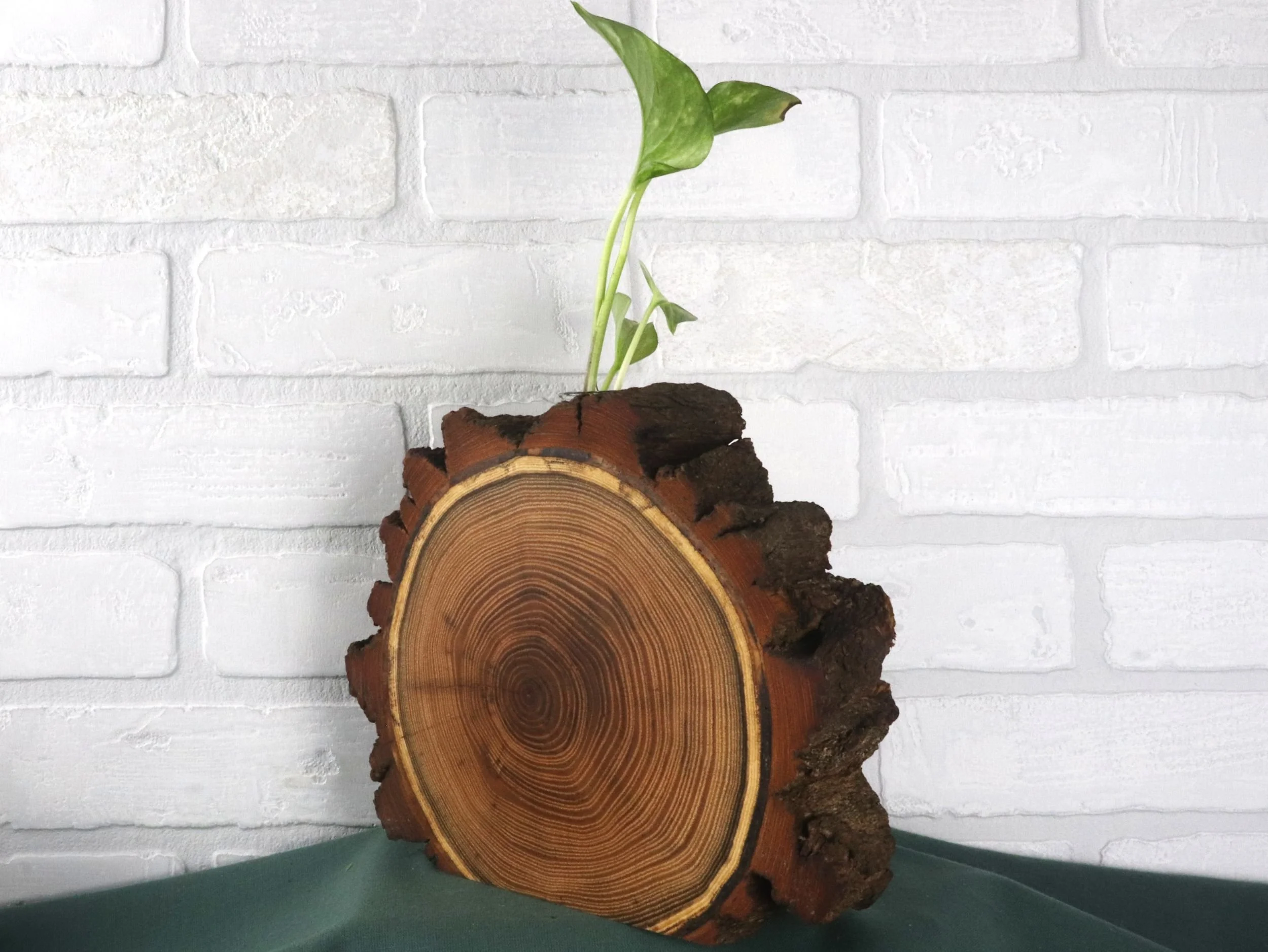
Locust Wood Bud Vase
Every day in my workshop, I'm handling the physical evidence of these connections. That intricate grain pattern? It might mark where the tree adjusted its growth in response to signals from neighbors. Those color variations? Possibly defensive compounds produced after receiving chemical warnings. The density and strength of the wood? Built through decades of resource sharing through underground networks.

Spalted Beech Bowl
When I select a piece of wood for a project, I'm not just choosing material - I'm choosing a piece of a story, a fragment of a vast web of connections that stretched across acres and decades. That cherry bowl on your table was once part of a community. It communicated with its neighbors, shared resources with its offspring, warned others of danger, and contributed to the health of its forest.
This knowledge has made me more selective about my wood sources. I seek out suppliers who practice sustainable forestry - methods that preserve those underground networks by leaving mother trees standing, maintaining diversity, and allowing forests to regenerate naturally. When networks are protected, the next generation of trees grows stronger, producing higher quality wood while ensuring the forest's continuation.
Bringing Forest Wisdom Home
When you bring a handcrafted wooden piece into your home, you're not just acquiring a functional object or decoration. You're bringing in a physical reminder of connection - of the intricate relationships that sustained that tree's life, of the forest community it belonged to, of the cycles of seasons it weathered, and of the remarkable fact that life on Earth thrives through cooperation.
In our increasingly disconnected digital age, where we're paradoxically more "connected" yet often feel more isolated, perhaps we need the lessons of trees more than ever. They remind us that real connection requires:
Investing in relationships even when inconvenient
Warning others of danger even if we're safe
Sharing resources with those who need them
Recognizing and honoring family while supporting community
Maintaining networks through all seasons, good and bad
Understanding that our individual success depends on collective health
Looking Forward: Protecting the Networks
As climate change, deforestation, and development threaten forests worldwide, protecting these communication networks becomes critical. Every time we damage soil through compaction or chemical contamination, we potentially sever these connections. Every time we clear-cut without leaving mother trees, we destroy the very systems that help forests regenerate.
But there's hope. Forest ecologists are now incorporating network science into conservation planning. Some timber companies are adopting selective harvesting that preserves underground networks. Reforestation projects are inoculating seedlings with mycorrhizal fungi to jump-start connections.
As consumers and craftspeople, we can support these efforts by choosing wood from sustainably managed forests, supporting conservation organizations, and spreading awareness about the hidden life beneath the forest floor.
A Final Thought
The next time you're in a forest, take a moment to imagine the invisible conversations happening all around you. Chemical warnings drifting on the breeze. Nutrients flowing through fungal highways beneath your feet. Mother trees feeding their young. Neighbors bracing each other against the wind. A community of individuals, connected in ways we're only beginning to understand.
And the next time you hold a wooden object - whether it's one of my handcrafted pieces or any wooden item - remember that you're holding evidence of connection. This wood was once part of a living network, a community that sustained it and that it sustained in return.
In a world that often feels fragmented, trees remind us that we're all part of larger networks, that connection isn't optional but essential, and that giving to others enriches rather than diminishes us.
That's the wisdom written in every grain line, the truth growing in every forest, the lesson we can learn if we're willing to listen to what trees have been trying to tell us all along: we're stronger together, always.
Want to learn more about the fascinating science of tree communication? Check out my earlier article on the Wood Wide Web. And if you're looking to bring a piece of forest wisdom into your home, explore my collection of handcrafted wooden bowls, sculptures, and home decor at www.grayhillwoodworkingllc.com - each piece carries the story of trees that thrived through connection.