
Nature's Annual Masterpiece: Understanding Deciduous Trees and Their Seasonal Symphony
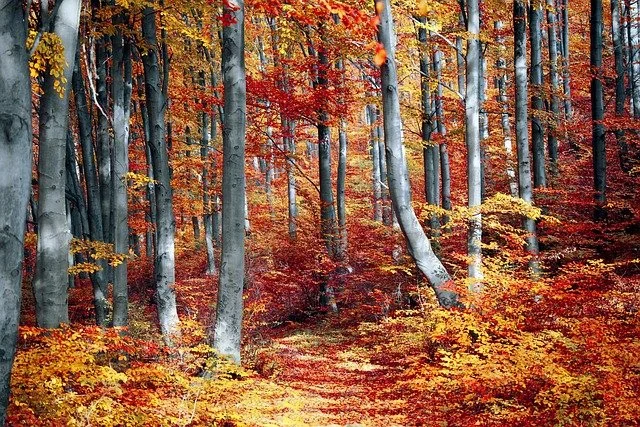
Picture this: you're walking through a forest in October, and everywhere you look, nature is putting on its grand finale. Maples are blazing scarlet, oaks are glowing amber, and birches are dropping golden coins that crunch satisfyingly underfoot. As a woodworker, I spend my days working with the beautiful "bones" of these trees – turning their timber into bowls, sculptures, and decorative pieces that bring nature's beauty into your home. But the living story of these deciduous giants is every bit as fascinating as the grain patterns I reveal in my workshop.
What makes some trees put on this spectacular seasonal show while others stay stubbornly green year-round? And why should we care about those falling leaves beyond their Instagram-worthy photo ops? Today, we're diving into the wonderful world of deciduous trees – nature's ultimate recyclers, environmental champions, and the source of some of the most gorgeous wood grain you'll ever see.
Deciduous vs. Evergreen: Nature's Two Survival Strategies

Image by Willfried Wende from Pixabay
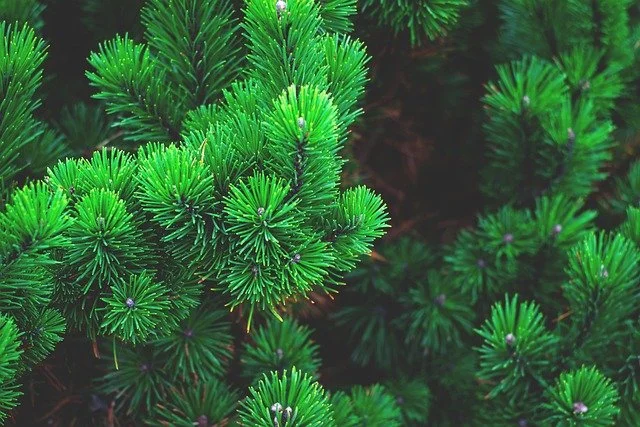
Let's start with the basics: what exactly makes a tree "deciduous"? The word comes from the Latin "decidere," meaning "to fall off," and that's precisely what these trees do – they drop their leaves annually as part of their survival strategy. Consider the trees you see in your neighborhood: maples with their distinctive lobed leaves, sturdy oaks, aromatic hickories, papery-barked birches, and cherries (the same species that produces that gorgeous reddish wood I love using for bowls and serving pieces!).
Evergreen trees, on the other hand, are the steady Eddies of the forest world. Pines, spruces, and firs keep their needles or leaves year-round, swapping them out gradually rather than all at once. It's like the difference between someone who completely renovates their wardrobe each season versus someone who replaces individual pieces as needed.
But why did these two strategies evolve? It all comes down to energy economics and climate adaptation. Deciduous trees are basically saying, "Hey, winter's coming, and it's going to be tough to photosynthesize with short days and freezing temperatures. Let's shut down the leaf factories, seal up shop, and wait it out." They pump all the good stuff (sugars, nutrients) out of their leaves and store it in their roots and trunk – which, by the way, creates some of those gorgeous grain patterns and rich colors that make hardwoods so special for woodworking.
Evergreens took a different approach: "We'll keep smaller, more efficient leaves (needles) that can handle cold better, and we'll keep working at a slower pace all winter long." Both strategies work brilliantly – it just depends on the environment they're adapted to.
Environmental Superstars: Why Deciduous Trees Matter
If we ranked trees by their environmental impact, deciduous varieties would earn gold medals across the board. These environmental powerhouses are working overtime to make our planet more livable, often in ways we don't even notice.
First up: they're incredible air purifiers. A single mature oak can produce enough oxygen for two people for an entire year while simultaneously vacuuming up about 48 pounds of carbon dioxide. That's like having a natural air conditioning system that also fights climate change. Not bad for something that just stands there looking pretty!
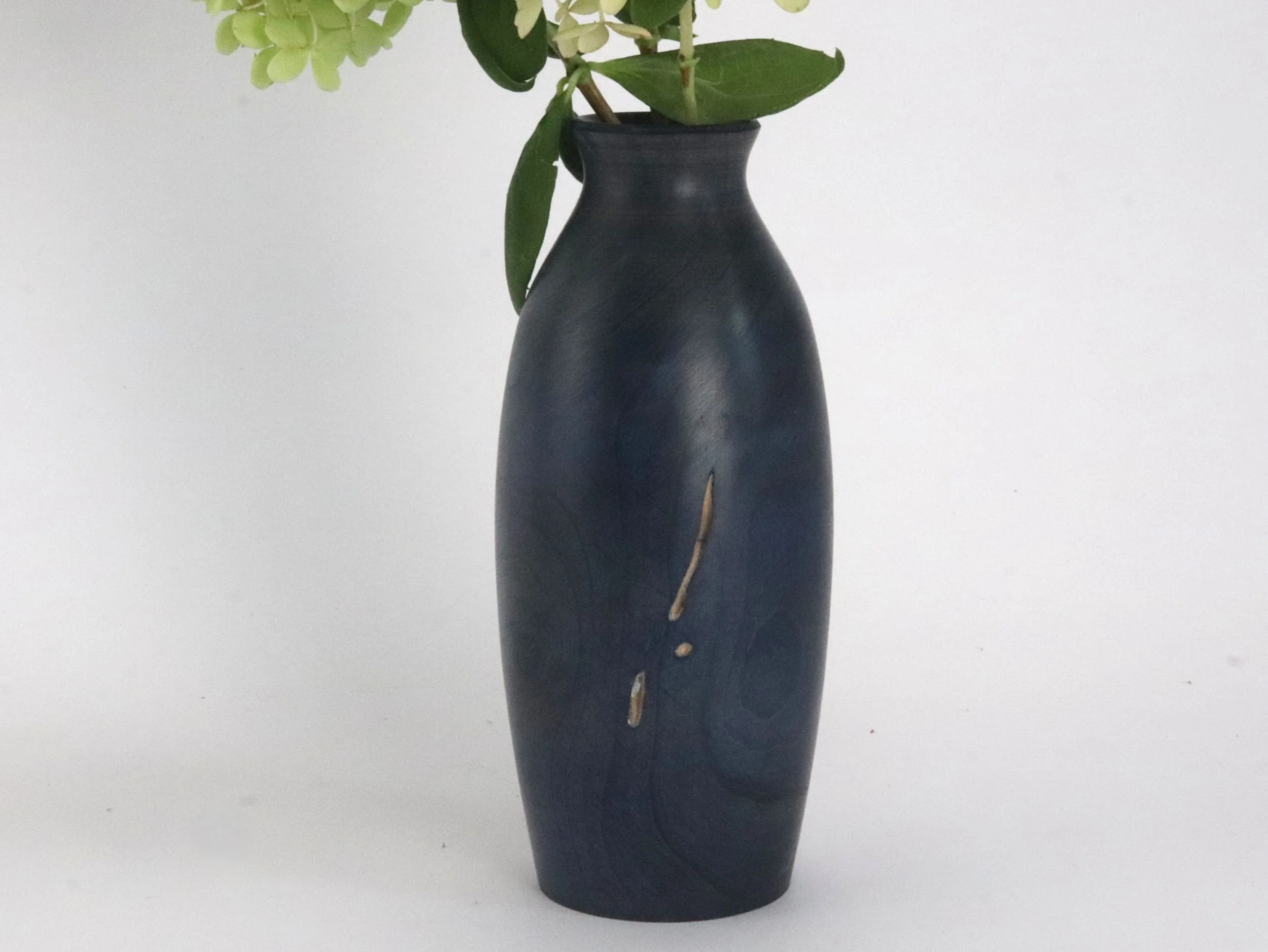
GHW Vase with Ambrosia Beetle markings
But their environmental résumé doesn't stop there. Deciduous trees are like nature's apartment complexes – they provide homes and food for countless species. Birds nest in their branches, squirrels cache nuts in their bark, and insects call their leaves home. When I'm selecting wood for a project, I often find evidence of this busy ecosystem: tiny holes from insects, unique grain patterns from where a branch supported a heavy nest, or mineral staining from years of providing shelter.
These trees are also soil superheroes. Their extensive root systems prevent erosion – imagine them as nature's rebar, holding hillsides together. They improve soil structure, and their deep taproots bring nutrients up from far below the surface, making them available to smaller plants.
In urban areas, deciduous trees are literally lifesavers. They can lower surrounding air temperatures by 2-8 degrees Fahrenheit through shade and evapotranspiration (basically, tree air conditioning). They reduce stormwater runoff, filter pollutants, and can even increase property values by up to 15%. Not to mention they make cities more beautiful and livable – something I think about every time I create a piece that brings a bit of that natural beauty indoors.
The Magic of Falling Leaves: Nature's Perfect Recycling System
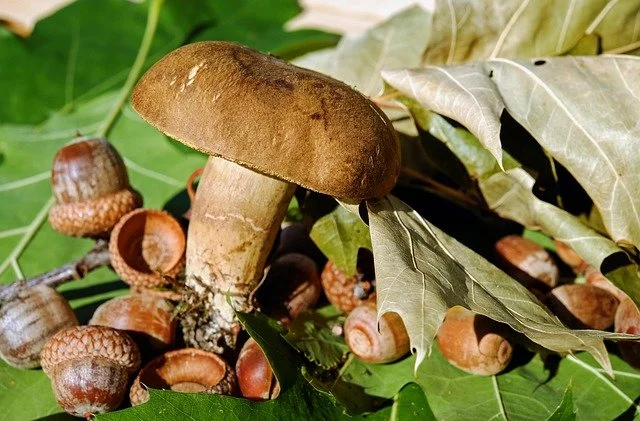
Image by Couleur from Pixabay
Now let's talk about those falling leaves – because they're doing way more than just giving you weekend raking duties! When deciduous trees drop their leaves, they're launching one of nature's most elegant recycling programs.
Those colorful leaves hitting the ground aren't waste – they're packages of nutrients returning to sender. As they decompose, they release nitrogen, phosphorus, potassium, and other minerals back into the soil, essentially fertilizing the very tree that dropped them. It's a closed-loop system that would make any environmentalist proud.
But the leaf layer does even more. This leaf layer becomes nature's mulch, protecting plant roots from harsh temperature swings while helping the soil hold onto precious moisture. Come winter, that leaf blanket becomes a five-star hotel for beneficial insects, providing shelter for everything from butterfly pupae to beetle larvae that will pollinate next year's flowers.
From a woodworker's perspective, this natural composting system is what creates the rich, healthy soil that grows the best trees. Trees stressed by poor soil conditions often develop irregular grain patterns or growth defects. The healthiest forests – and therefore the most beautiful wood – come from this natural leaf-recycling system working perfectly year after year.
When Trees Drop Leaves Off-Season: Nature's Stress Signals
While autumn leaf drop is perfectly normal, sometimes trees shed leaves at unexpected times, and it's usually their way of waving a red flag. Understanding these signals can help you appreciate the remarkable ways trees adapt to challenges.
Drought stress is probably the most common culprit. When water becomes scarce, trees essentially go into survival mode, dropping leaves to reduce water loss through transpiration. It's like shedding weight to run faster – they're reducing their water needs to survive until conditions improve.
Ironically, overwatering can cause the same response. Waterlogged roots can't absorb oxygen properly, so the tree starts dropping leaves to reduce its metabolic demands. The waterlogged roots can't get the oxygen they need, so the tree starts shedding leaves to reduce what it has to support.
Heat stress can trigger emergency leaf drop too. During extreme heat waves, trees may shed leaves to prevent overheating, similar to how we might shed layers of clothing. I've noticed this particularly affects urban trees, which face the double challenge of reflected heat from pavement and limited root space.
Fungal infections are another major cause of premature leaf drop. Diseases like anthracnose, leaf spot, or powdery mildew can make leaves inefficient or even harmful to the tree, so it cuts them loose. When selecting wood, I can often see evidence of old fungal infections in the form of distinctive staining or grain irregularities – nature's way of compartmentalizing damage.
Insect infestations can also trigger leaf drop. If pests are making leaves more costly than beneficial, the tree may drop them early and try again next season. Sometimes this creates interesting figure patterns in the wood as the tree redirects energy and nutrients.
Finally, weather-related dormancy can cause unexpected leaf drop. An early cold snap or unexpected weather pattern can trigger trees to enter dormancy mode ahead of schedule, resulting in sudden leaf loss even when conditions seem fine.
The Woodworker's Perspective: From Living Tree to Handcrafted Treasure
As someone who transforms these magnificent trees into functional art, I have a deep appreciation for how their life story becomes part of every piece I create. The annual cycle of growing, storing nutrients, and going dormant creates the density variations and grain patterns that make each bowl, sculpture, or decorative piece unique.
The best time to harvest most deciduous wood is actually during their dormant season, when moisture content is lowest and the stored sugars and nutrients create the richest colors and most stable wood. That gorgeous figure in a piece of spalted maple? That's often the result of controlled fungal growth during the tree's lifetime – nature's own artistic process. (learn more about Spalted Maple here)
When you hold one of my handcrafted pieces made from cherry, walnut, or maple, you're holding decades of seasonal cycles, environmental challenges overcome, and the tree's unique response to its particular spot in the forest. Each growth ring, every pattern in the grain, each shift in color captures decades of seasonal changes and shows how these remarkable trees adapted to their unique place in the world.
Celebrating Nature's Renewable Artists
Deciduous trees are truly nature's renewable artists, putting on a spectacular show each fall while quietly working year-round to clean our air, support wildlife, and create the sustainable materials that allow craftspeople like me to bring natural beauty into your home. Their annual cycle of growth, rest, and renewal reminds us of the importance of seasons in our own lives.
The next time you see leaves falling, remember you're witnessing one of nature's most sophisticated recycling programs. And if you're lucky enough to own something handcrafted from these remarkable trees, you're holding a piece of that eternal cycle – a small way to keep their story alive in your daily life.
Whether you're raking leaves this fall or simply enjoying the show from your window, take a moment to appreciate these deciduous superstars. They're not just pretty faces – they're environmental champions, wildlife landlords, and the source of some of the most beautiful wood grain patterns you'll ever see. Now that's what I call a perfect partnership between nature and craft!
Gray Hill Woodworking LLC specializes in handcrafted, functional art created from locally and sustainably reclaimed wood. Each piece is unique and one-of-a-kind, celebrating the natural beauty and character found in rescued materials throughout New Jersey, Pennsylvania, New York, and Maryland.